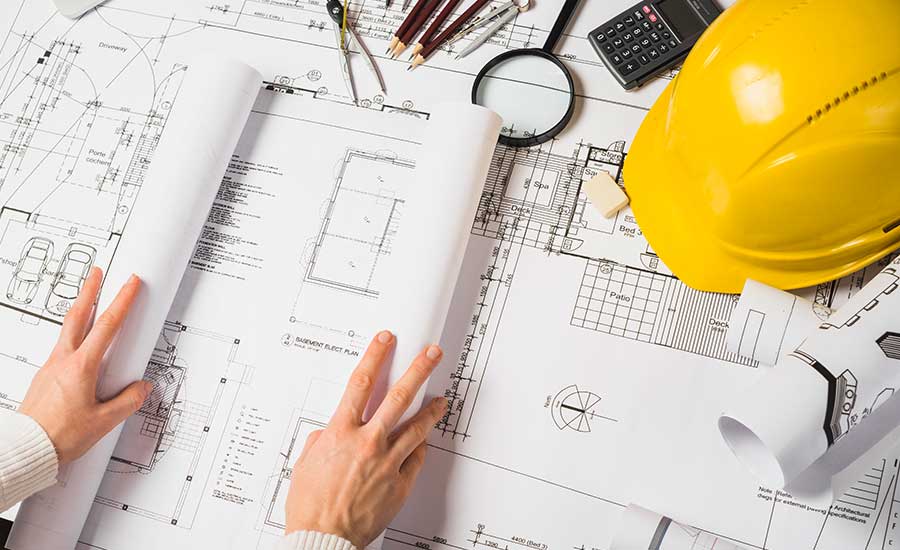
For decades, the traditional construction process has operated on a fractured foundation. An owner hires an architect to draft a vision, hands those blueprints to a general contractor for bidding, and then coordinates with engineers to make it all fit.
When costs spike, deadlines slip, or site conditions clash with initial designs, parties often point fingers, leading to delay claims, budget overruns, and compromised quality.
Integrated Project Delivery (IPD) changes this dynamic. By breaking down siloes, IPD aligns every major stakeholder under a single, unified strategy from day one.
What is Integrated Project Delivery (IPD)?
Integrated Project Delivery (IPD) is a collaborative construction framework that brings together the project owner, architect, engineers, general contractors, and key trade specialists into a single contractual agreement right at the start of a project.
Unlike traditional Design-Bid-Build methods—where construction teams only see plans after design is complete—IPD integrates builders directly into the early design phase.
TRADITIONAL PROCESS:
[ Design ] ──> [ Bid ] ──> [ Build ] ──> (High Risk of Re-Work & Budget Creep)

INTEGRATED PROJECT DELIVERY (IPD):
[ Owner + Architect + Engineer + Builder ] ──> [ Shared Design & Budget ] ──> [ Streamlined Execution ]
How IPD Saves You Time and Money
1. Preconstruction Risk Mitigation & Accurate Budgeting
In standard workflows, value engineering happens after a design exceeds the budget—forcing costly redesigns and delaying the project timeline.
With IPD, cost estimators and trade specialists evaluate constructability during early conceptual sketching. Material choices, structural systems, and labor logistics are priced in real time, locking in realistic budgets before breaking ground.
2. Elimination of Costly Change Orders
The majority of construction budget overruns stem from field clashes—for example, ductwork competing with structural beams that weren’t caught on paper.
Under IPD, early collaboration combined with advanced Building Information Modeling (BIM) and AI simulations identifies these physical conflicts digitally, preventing expensive change orders on site.
3. Accelerated Project Schedules
Sequential handoffs take time. In an IPD model, design and construction planning run concurrently:
- Long-lead materials and specialized equipment can be ordered early.
- Site preparation can begin while interior details are still being finalized.
- Fabrication of modular components can occur off-site ahead of assembly.
4. Shared Risk and Reward Framework
Traditional contracts create competing incentives: designers want to protect aesthetic vision, contractors want to manage margins, and owners want to minimize expenditure.
IPD restructures contracts so that success is shared. Financial bonuses are tied to overarching project outcomes—such as achieving energy performance goals, staying under target costs, or finishing ahead of schedule. When everyone wins together, decisions prioritize the project’s health over individual liability.
The Long-Term Impact
The benefits of IPD don’t stop when construction finishes. Because builders and facility managers provide input during initial design, the finished building is engineered for lower operating costs, simpler maintenance, and long-term structural resilience.
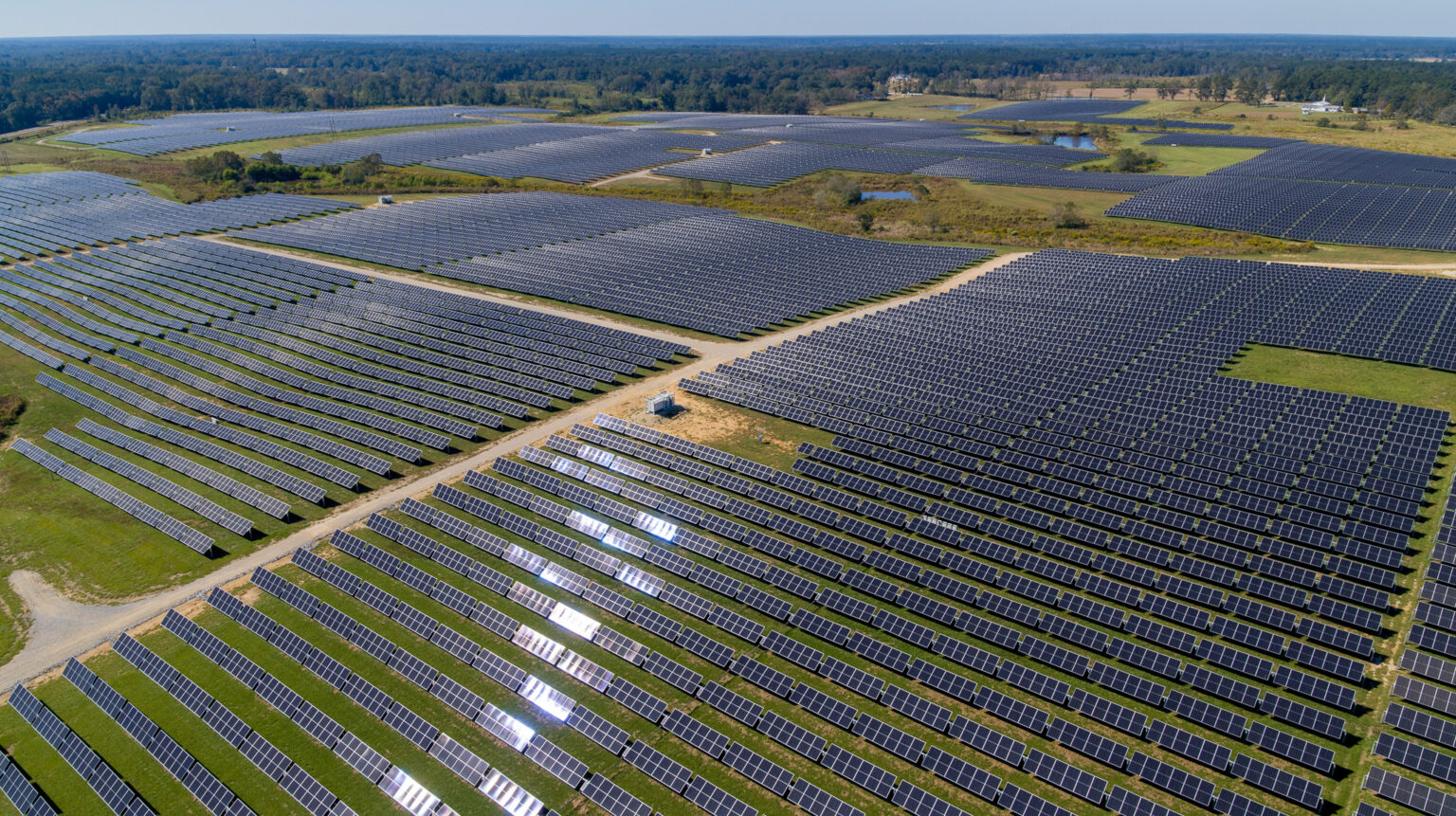
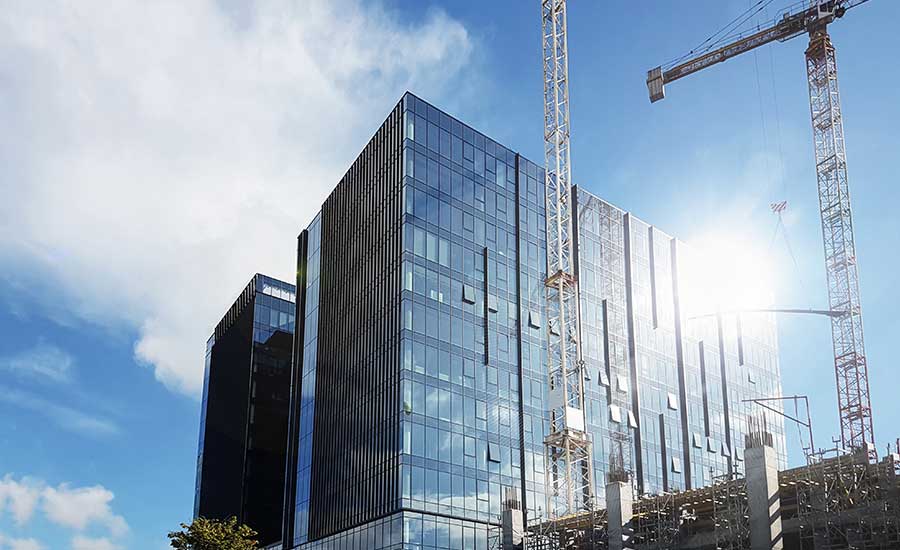
By replacing fragmentation with partnership, Integrated Project Delivery ensures that complex architectural projects—whether custom homes, commercial developments, or clean energy facilities—are delivered on time, within budget, and without the friction of traditional construction.