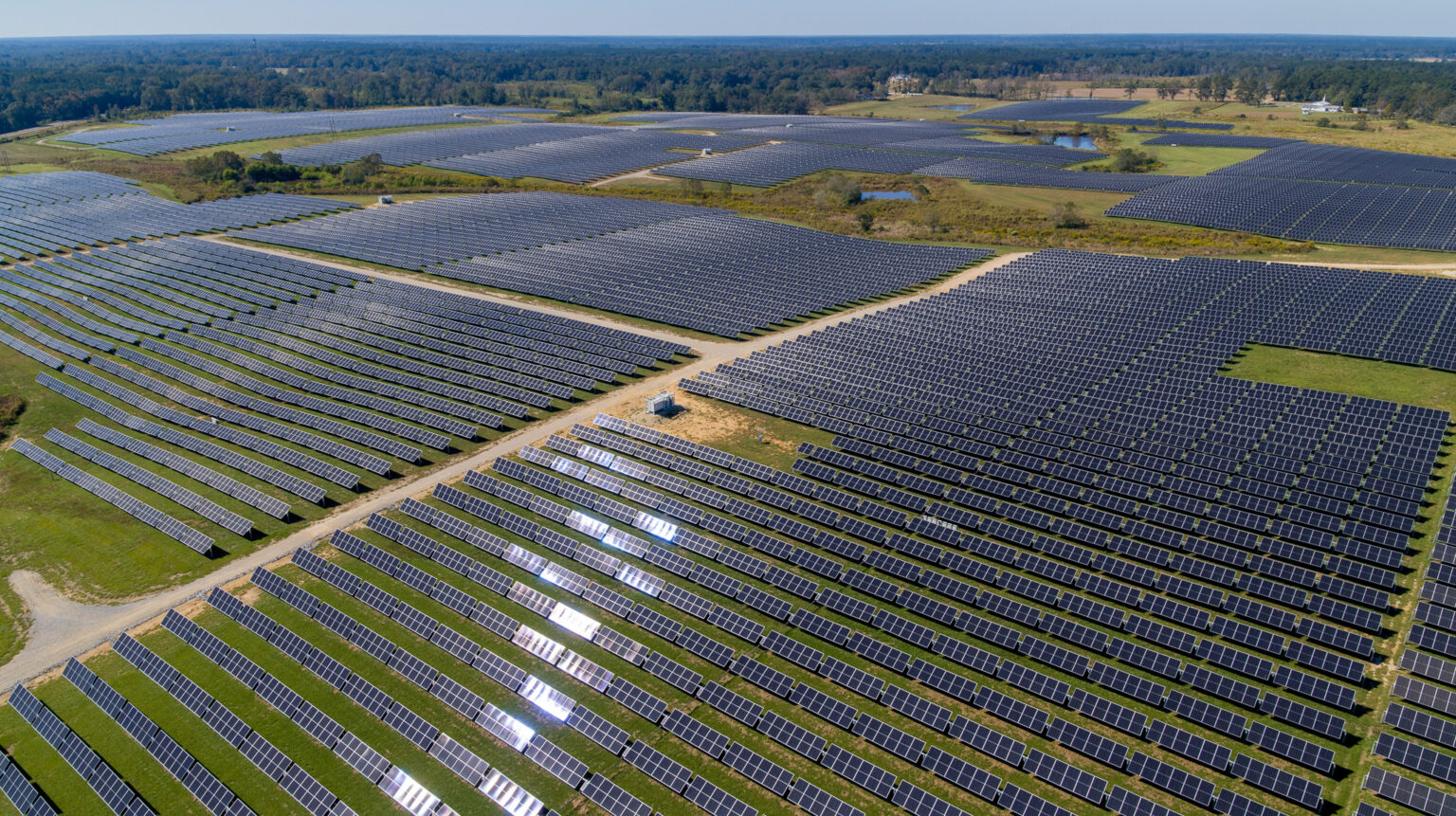
As global energy networks shift toward renewables, utility-scale solar farms—spanning hundreds to thousands of acres—have become central to clean power strategy. However, expanding solar infrastructure from small rooftop arrays to multi-megawatt (MW) or gigawatt (GW) facilities introduces complex civil engineering, geotechnical, and electrical grid integration challenges.
Developing an efficient utility-scale solar farm requires balancing physical landscape constraints with electrical capacity, ensuring long-term structural resilience, and navigating strict grid connection standards.
1. Civil Engineering & Geotechnical Challenges
Site Topography & Grading Limits
Photovoltaic (PV) racking and tracking systems require relatively flat terrain to operate efficiently.
- Slopes & Axis Limits: Single-axis trackers generally accommodate slopes up to only 5% to 10% along their axis before mechanical wear increases or tracking efficiency degrades.
- Cut-and-Fill Management: Excessive land grading can destabilize soil, destroy natural drainage paths, and increase initial capital expenditure. Civil engineers must optimize site layout around natural contours to minimize Earth-moving operations.
Soil Mechanics, Foundations, and Pile Driving
Selecting and driving foundation piles for solar racking depends heavily on sub-surface soil conditions.
[ Geotechnical Testing ] ──> [ Corrosion / Load Analysis ] ──> [ Foundation Selection ]
                                                                        │
                                                    ┌───────────────────┴───────────────────┐
                                                    ▼                                       ▼
                                       [ Driven Steel C-Piles ]             [ Concrete Ballast / Helical ]
                                       (Ideal for stable soils)             (For rocky/shallow bedrock)
- Corrosion & Frost Heave: High soil acidity, electrical resistivity, or seasonal freezing can compromise underground steel piles over a 25-to-30-year lifespan.
- Subsurface Bedrock & Sub-Base Volatility: Encountering shallow bedrock requires pre-drilling or helical/ground-screw piles, which adds equipment overhead. Highly expansive clays require deeper pile embedment to resist seasonal soil movement.
Hydrology, Stormwater Management & Soil Erosion
Clearing large swaths of vegetation alters site hydrology, transforming permeable land into high-runoff surfaces.
- Runoff & Scour Mitigation: Civil engineers must design retention basins, swales, and culverts to handle 25- to 100-year storm events, preventing flood damage and pile scour (soil erosion around pile foundations).
- Vegetation & Agrivoltaics: Re-vegetating beneath panels with native low-growth grasses or implementing agrivoltaics (combining solar with grazing or agriculture) stabilizes topsoil and reduces ongoing site maintenance.
2. Electrical Grid Connection & Interconnection Obstacles
Transmission Capacity & Grid Congestion
Utility-scale solar farms are frequently located in remote, sunny areas far from urban demand centers, where regional transmission infrastructure may be weak or saturated.
- Thermal Overloads: Injecting high volumes of solar power into rural distribution lines can exceed physical thermal ratings, causing transmission curtailment or requiring costly power line upgrades.
- Point of Interconnection (POI) Studies: Interconnection queues often require years of study to evaluate system impact, forcing developers to fund off-site network upgrades to protect the regional grid.
Grid Stability, Voltage Fluctuation, and Inverter Tech
Solar output is inherently variable due to cloud cover and seasonal shifts. Rapid fluctuations in generation create voltage instability and frequency deviations across local networks.
+-----------------------------------------------------------------------------------+
|                            GRID STABILITY & INTERACTION                           |
|                                                                                   |
|  [ Solar Array (DC) ] ──> [ Smart Inverter ] ──> [ Step-Up Transformer ]          |
|                                     │                     │                       |
|                                     ▼                     ▼                       |
|                             (Active/Reactive     (Substation / High-              |
|                              Power Control)      Voltage POI Interconnect)        |
+-----------------------------------------------------------------------------------+
- Grid-Forming Inverters: Modern solar farms rely on advanced grid-forming inverters (equipped with fast-responding controls) rather than traditional grid-following inverters, helping maintain grid frequency during disturbances.
- Reactive Power Control: Inverters must dynamically manage reactive power (VAR support) at the Point of Interconnection to keep local line voltages within strict utility thresholds.
Integration of Battery Energy Storage Systems (BESS)
To overcome solar intermittency and participate in capacity markets, utility-scale developments increasingly pair solar arrays with large-scale Battery Energy Storage Systems (BESS).
- Hybrid Substation Design: Integrating DC- or AC-coupled battery arrays demands specialized fire safety zones, thermal management systems, and dual-directional inverter engineering to support smooth power dispatch during peak demand hours.
Summary: Balancing Land, Power, and Capital
Successfully deploying utility-scale solar requires aligning civil engineering with grid capability long before installing the first panel:
| Domain | Key Risk Factor | Engineering Solution |
|---|---|---|
| Civil / Topography | Excessive grading costs & tracking wear | Contour-following tracking arrays & optimized cut-and-fill |
| Geotechnical | Pile corrosion, frost heave & bedrock | Early soil testing, deep embedment, or helical piles |
| Hydrology | Site flooding & pile erosion | Retention basins, drainage swales & native ground cover |
| Grid Integration | Curtailment & frequency instability | Grid-forming inverters, BESS pairing & early POI impact modeling |
By addressing sub-surface mechanics, hydrological impact, and grid stability during early preconstruction planning, developers can mitigate costly delays and ensure reliable clean power generation over the facility’s entire operational lifecycle.